
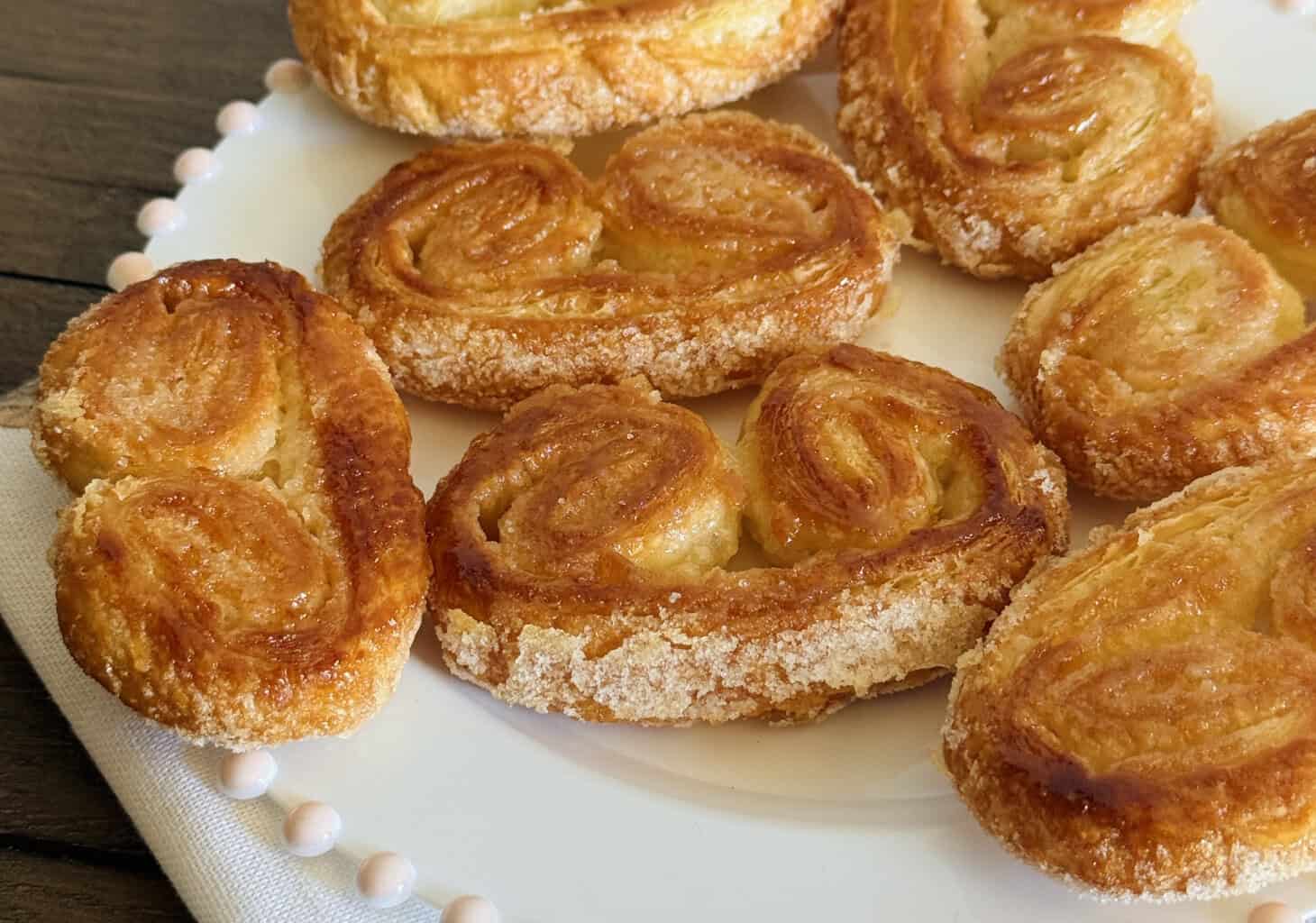
palmiers recipe (elephant ear pastries)
If you’ve ever walked into a French bakery and noticed those delicate, golden, heart-shaped pastries lined up behind the glass, you’ve likely seen palmiers. These classic French cookies—sometimes called elephant ears—are one of the simplest pastries you can make at home, yet they carry that same effortless elegance you’d expect from a pâtisserie.
What makes palmiers so special isn’t just their shape or their crisp, caramelized edges. It’s how surprisingly easy they are to put together. With just a couple of basic ingredients and a bit of time, you can create something that feels thoughtful and refined, even if it’s made on a quiet afternoon at home.
There’s something about recipes like this that feel very French in nature.
They’re not complicated. They don’t require a long list of ingredients or precise measurements. Instead, they rely on a simple idea done well, and that’s often where the magic is.
A Simple Approach to French Baking
One of the things you begin to notice when you spend time baking or cooking in a French-inspired way is how much emphasis is placed on simplicity.
Palmiers are a perfect example of this.
At their core, they’re made with puff pastry and sugar. That’s it. There’s no need for mixers, complicated techniques, or even measuring cups. It’s the kind of recipe you can put together on the fly, whether you’re craving something sweet with your coffee or you have guests stopping by unexpectedly.
And that’s part of what makes them so appealing.
They feel a bit special, but they don’t ask much of you in return.
Why Puff Pastry Is Worth Keeping on Hand
If there’s one ingredient that makes palmiers possible at a moment’s notice, it’s puff pastry.
While you can certainly make puff pastry from scratch, there’s something to be said for keeping a box in your freezer. It’s one of those small habits that can make everyday baking feel much more accessible.
With puff pastry on hand, you’re never too far from a quick dessert.
Whether it’s palmiers, an apple tart, or even a savory version of these palmiers, it becomes a kind of foundation you can build from. And because palmiers don’t require anything beyond what you likely already have in your kitchen, they’re one of the easiest ways to turn that puff pastry into something enjoyable.
The Beauty of Not Measuring
There’s also something refreshing about a recipe that doesn’t rely on exact measurements.
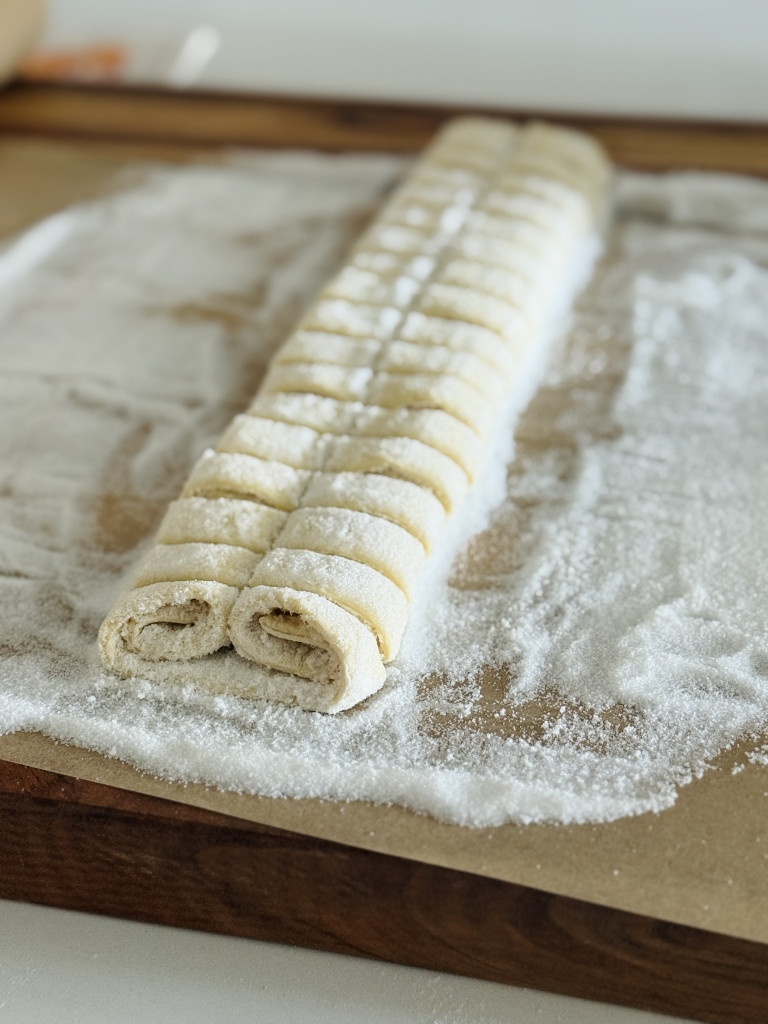
When making palmiers, you’re working more visually than anything else. You spread sugar across your surface, lay down the pastry, and add more sugar on top until it feels right. There’s no need to worry about precision.
This kind of approach invites you to relax a bit in the kitchen.
It allows you to focus more on the process than the outcome, which is often where baking becomes more enjoyable. And in many ways, that mindset reflects a broader French approach to cooking—less rigid, more intuitive.
How Palmiers Get Their Shape
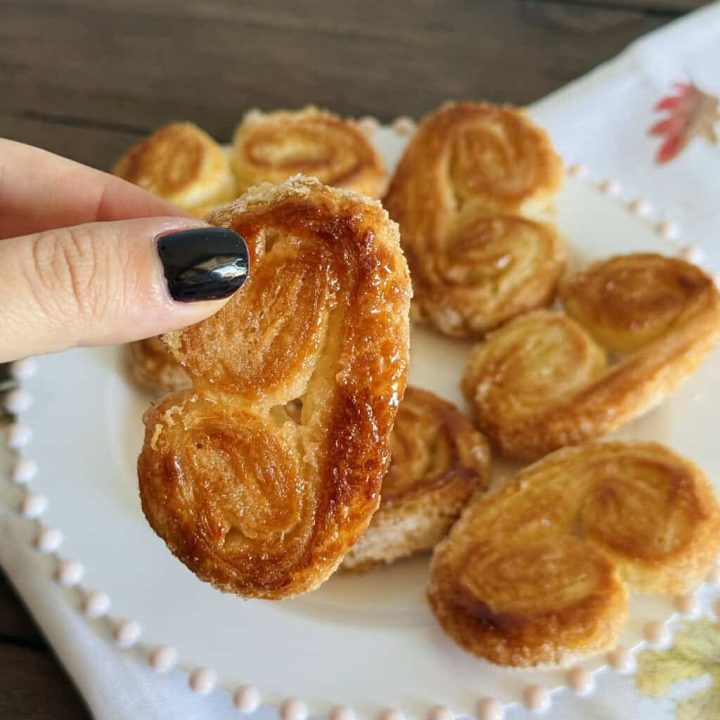
Part of what makes palmiers so recognizable is their shape.
Once the puff pastry is layered with sugar, it’s folded inward from both sides, almost like closing a book from either end. Then it’s folded again, creating a compact log that, when sliced, reveals that signature heart-like design.
It’s a simple technique, but it creates something that looks much more intricate than it actually is.
You’ll often hear them referred to as “elephant ears,” and once you see the shape, it makes sense. They have that same curved, delicate structure that feels both playful and refined at the same time.
The texture of palmiers
What really defines a good palmier is its texture.
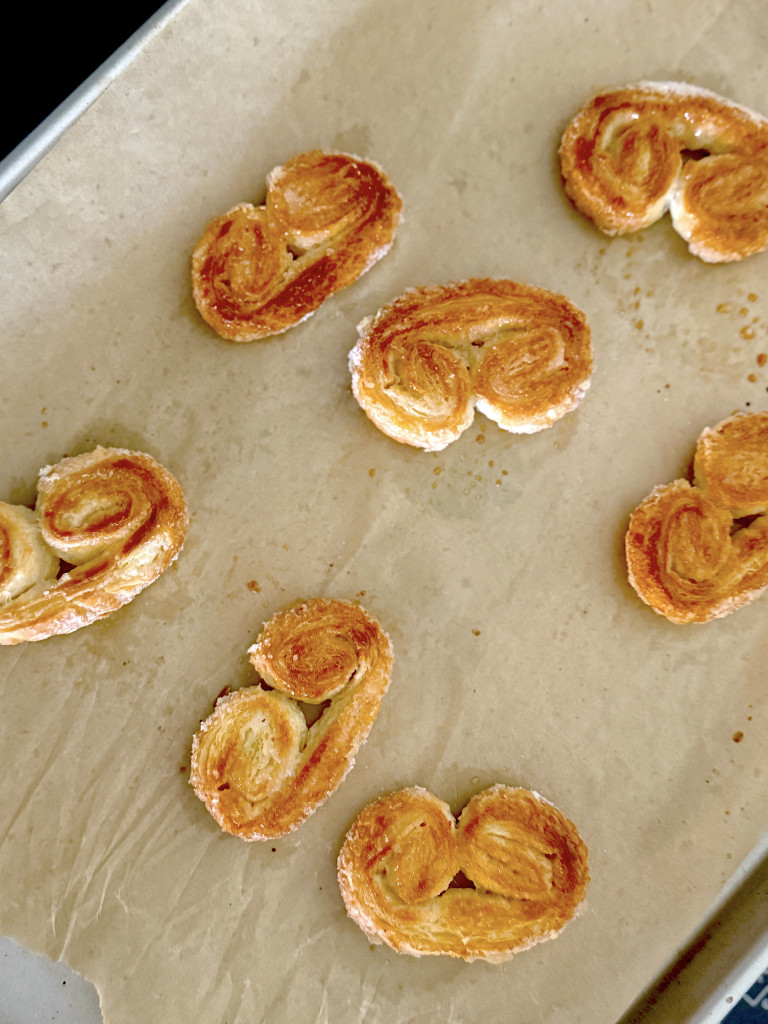
When baked properly, the outside becomes crisp and caramelized, while the inside retains that light, flaky quality that puff pastry is known for. There’s a contrast between crunch and airiness that makes them particularly satisfying.
The sugar plays an important role here.
As it bakes, it melts and caramelizes along the surface, creating that deep golden color and subtle sweetness.
Why Baking Palmiers Requires a Bit of Attention
While the preparation is straightforward, baking palmiers does require a bit of attention.
Because of the sugar, they can go from perfectly golden to overly dark quite quickly. It’s one of those moments where it’s worth staying nearby and keeping an eye on the oven.
You’ll know they’re ready to flip when the bottoms turn a golden brown. After flipping, they only need a few more minutes to finish baking.
This is where you start to understand how much of baking is visual.
You’re not just following a timer, you’re observing. And over time, that becomes something you rely on more than exact minutes.
A Treat That Fits Into Everyday Life
What makes palmiers especially appealing is how easily they fit into everyday life.
They’re not reserved for special occasions. They can be made on a quiet morning, served with an afternoon coffee, or prepared quickly when someone drops by unexpectedly.
They also store well in the freezer before baking, which makes them even more convenient. You can prepare a batch ahead of time, freeze them, and bake just a few whenever you feel like it.
A Different Way of Thinking About Dessert
In many ways, palmiers reflect a different way of thinking about dessert.
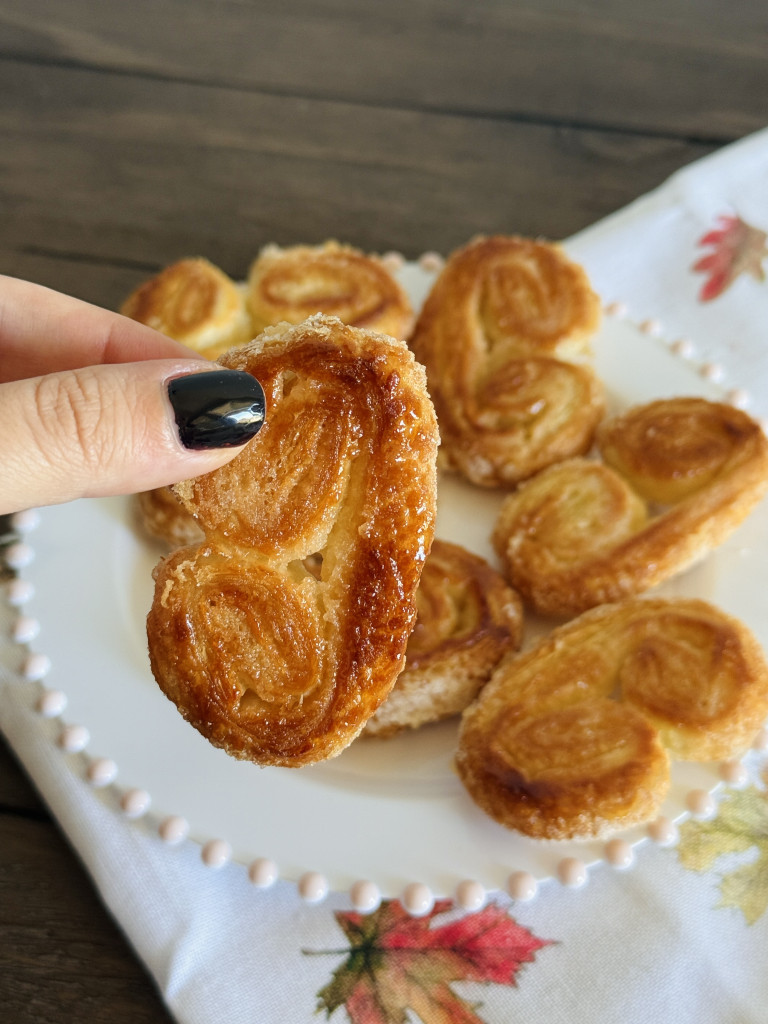
They’re not overly rich or complicated. They don’t rely on layers of frosting or elaborate presentation. Instead, they’re simple, crisp, and lightly sweet; something you can enjoy without overthinking.
And that’s often what makes them so appealing.
They feel like a natural part of the day, rather than something separate or indulgent.
Bringing It Into Your Own Kitchen
If you’ve been wanting to bring more French-inspired recipes into your routine, palmiers are a good place to start.
They don’t require much time, they don’t ask for special ingredients, and they give you something that feels both familiar and slightly elevated.
And once you make them a few times, they become the kind of recipe you can rely on. They’re something you can return to whenever you want a simple, thoughtful treat.
Palmiers Recipe
Delicate puff pastry coated in sugar and baked until caramelized and crisp.
Ingredients
- 1 sheet puff pastry (store-bought, thawed but still cold)
- About 3/4 cup to 1 cup granulated sugar (enough to coat work surface and pastry generously)
Instructions
- Preheat the oven to 425°F. Line a baking sheet with parchment paper.
- Sprinkle a generous, even layer of granulated sugar across your work surface. A silicone baking mat works well for this.
- Place your thawed (but still cool) puff pastry sheet (unfolded) on top of the sugar. Sprinkle more sugar evenly over the top.
- Use a rolling pin to gently press the sugar into the pastry. You’re not rolling it thinner, just helping the sugar adhere.
- Fold both long sides of the puff pastry inward toward the center (if your sheet is more square, then just pick two opposing sides). Then fold them again so they meet in the middle. Finally, fold one side over the other to create a compact log.
- Place the log in the freezer for about 5 minutes to firm up. This makes slicing easier and helps with baking.
- Using a sharp knife, cut the log into ¼-inch slices. Place the slices on your prepared baking sheet so that the cut-sides are facing up. They'll look a bit like hearts on the baking sheet.
- Bake for about 8–10 minutes, then check the bottoms. Once golden brown, flip each palmier and bake for another couple of minutes until both sides are deeply golden.
- Let cool slightly before serving. Enjoy warm or at room temperature.


